


Using CBD to Modulate THC
In the past few years, much attention has been brought to the differences between tetrahydrocannabinol (THC) and cannabidiol (CBD), the so-called ‘cannabinoid cousins,’ for cannabis patients and recreational consumers. CBD has risen in popularity in part due to its pharmaceutical potential and therapeutic activity, and in part because it is colloquially known to modulate the effects of the THC ‘high’ in recreational users.

Figure 1. Molecular structures of THC and CBD. Comparing them side by side shows they are almost structurally identical, differing in only a single “en-ol” bond (1).
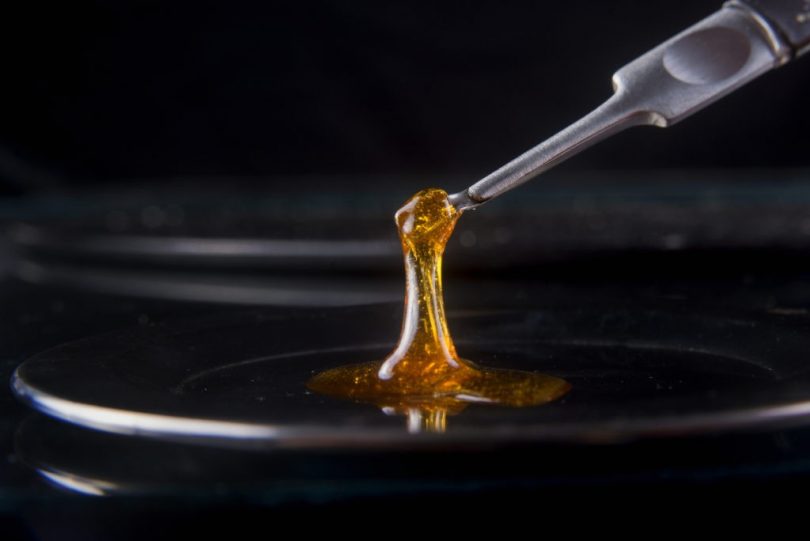
The physiological interaction between these two molecular relatives has led to the rapid breeding and marketing of CBD-rich and CBD-dominant C. sativa or C. indica strains. The rise in popularity and availability of these strains also made it easier to consequently develop high-purity CBD extracts akin to those found in the THC market, such as cannabis oil and concentrates.
However, one thing that we would like our readers to consider is the therapeutic and recreational benefit of mixing the two cannabinoids together! In other words, using CBD to potentiate and modulate the psychoactive ability of THC, and using THC to unlock further therapeutic indices from the pharmacologically-capable CBD. This can mean the usage of strains with significant amounts of both cannabinoids, or mixing the consumption of concentrates high in both compounds
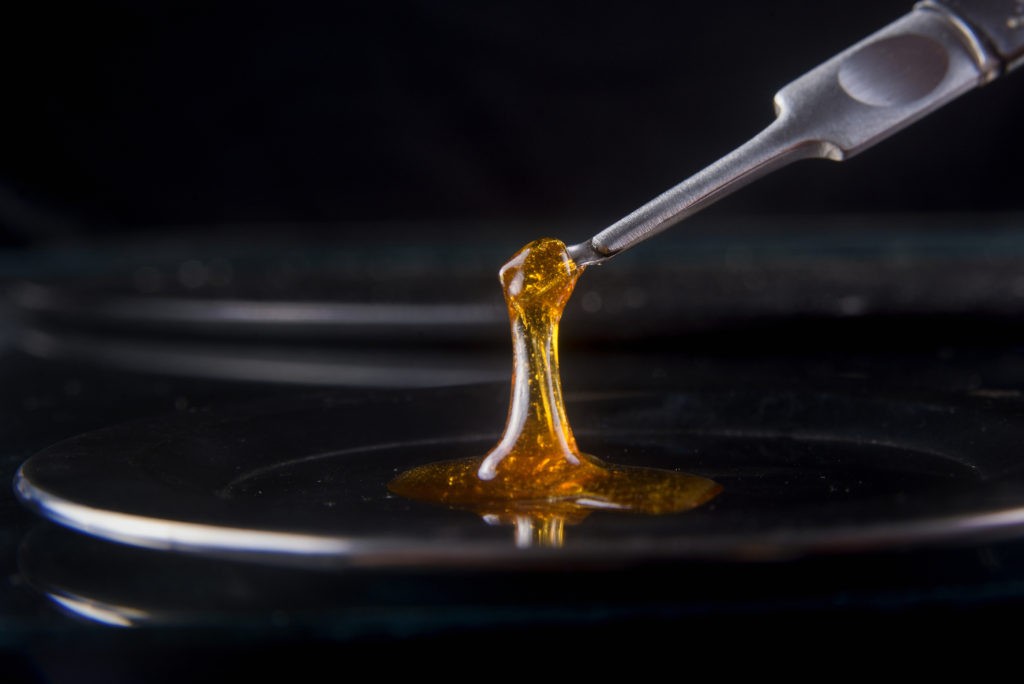
Figure 2. CBD concentrates have proliferated to the point where they are just as high end, popular—and expensive—as THC concentrates. Green Roads is one company who sells terpene and cannabinoid rich CBD concentrates
Some of the most seminal early scientific studies on this effect were done in Brazil in the 1970’s. Studying mostly the recreational habits and effects of Cannabis use, researchers found was that high doses of THC on its own produced anxiety and panic—no surprise for those who’ve been too high before. But, adding CBD to these mixtures significantly reduced those symptoms in patients.
“CBD also changed the symptoms in such a way that the subjects receiving the [high THC] mixtures showed less anxiety and panic but reported more pleasurable effects.”
– Karniol et al, 1974 (1)
Karniol and Carlini, two of the main Brazilian researchers, also examined various animal species and administered to them differing doses of CBD and THC, both in combination and separately. Gathered a long list of data, they found that in every animal species tested, CBD blocked negative side effects associated with THC use: catatonia in mice, visual impairment in rabbits, IBS and aggressiveness in rats (3).
As avid CBD enthusiasts, we hope that more studies are done to show how our favorite cannabinoid cousins can best pair together. Whether it is used to relieve patients of their pain, or to produce a more calm and relaxing high, the future of joining CBD and THC is bright.
References
- Karniol et al. Cannabidiol interferes with the effects of delta 9-tetrahydrocannabinol in man. Eur J Pharmacol 1974;28(1):172–7.
- Green Roads World. Bulk Concentrates. [Cited: April 2, 2018]. https://greenroadswholesale.com/bulk-concentrates
- Russo E, Guy GW. A tale of two cannabinoids: the therapeutic rationale for combining tetrahydrocannabinol and cannabidiol. Med Hypotheses. 2006;66(2):234-46.