

Last updated 8 September 2026 · Originally published 31 January 2022
How is delta-8 made? Almost never by a plant. Nearly all commercial delta-8 starts as ordinary hemp CBD, which a lab converts into something intoxicating, and several related intoxicants — including many HHC and THC-O products — also begin with CBD or with cannabinoids made from it, through different chemical reactions. That single fact explains most of what matters about these products: why they exist, why their quality is a lottery, and why a federal law will soon treat them differently from everything else in the hemp aisle.
A family the plant barely makes
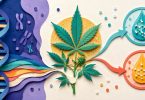
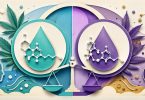
Cannabis does make delta-8 THC, in traces so small that extracting it commercially would be pointless — and some of its relatives on the shelf, the plant does not make at all. The commercial supply comes from chemistry: CBD and delta-8 are built from the same atoms, arranged differently, and acid chemistry can rearrange one into the other. Other products, including HHC and THC-O, require additional chemical steps. We will not describe how it is done, and the how is not the point. The point is what it means: the delta-8 in a gummy is a manufactured conversion product, not a plant extract, whatever the leaf on the label suggests. Where these compounds sit among the minor cannabinoids is covered separately.
Why the industry did it
Follow the price of CBD. After the 2018 hemp legalisation, farmers planted vastly more hemp than the CBD market could absorb, and the price of CBD extract collapsed. The industry was sitting on cheap surplus CBD; the public wanted legal intoxicants; and the law defined hemp products by their delta-9 THC content, saying nothing about delta-8. Converting the surplus into a legal-ish high was commercially irresistible, and within two years delta-8 went from a chemistry footnote to gas-station shelves in most states. None of this required anyone to grow anything new. It required a loophole and a reaction.
What testing finds in the products
Conversion chemistry can be messy, and poor clean-up can leave the mess in the bottle. In a 2022 analysis of ten retail delta-8 products — five “high-purity” distillates and five vape cartridges — chemists found impurities well beyond what the products’ own certificates of analysis declared, including compounds they could only tentatively identify; only one of the ten came close to matching its paperwork. The authors’ diagnosis was threefold: impure CBD going in, poor clean-up afterwards, and poor testing at the end. In a separate study of twenty delta-8 products bought in Pittsburgh, the amount of delta-8 on the label bore only a weak relationship to what was in the package.
The broader risks show up in poison-control data, though those reports cannot tell us whether an effect came from delta-8 itself, an excessive dose, contaminants or another ingredient. Between January 2021 and February 2022, US poison-control centres recorded 2,362 delta-8 exposures. Forty-one percent involved people under 18, and 40% were unintentional. Delta-8 is intoxicating and can itself cause anxiety, confusion, vomiting, hallucinations and loss of consciousness. The conversion impurities add another risk on top of that. This site does not treat THC or its relatives as villains; the problem here is unregulated conversion chemistry, unknown by-products, and packaging that hides an intoxicant inside the friendly word “hemp”.
The federal loophole closes in two stages
Under the new federal hemp law, products containing cannabinoids that cannabis cannot naturally produce lose hemp status on 12 November 2026. The one-month delay passed in September did not move that date. THC-O is the clear example: the plant does not make it, so November applies.
Converted delta-8 falls under a different part of the law. Delta-8 can occur naturally, even though commercial delta-8 is manufactured outside the plant from CBD — and that category, along with the new 0.4 mg THC-per-container cap, takes effect on 11 December. State bans may already apply regardless of either federal date. Our hemp-law article follows the details as they develop.
If you use these products
No moralising: plenty of people use delta-8 deliberately and prefer its milder edge, and in states without legal cannabis it has been the only intoxicant on offer. But go in with eyes open. The product is a lab conversion whose by-products have not been safety-tested; the label is weakly related to the contents; a batch-specific certificate of analysis is the minimum and, as the ten-product study showed, not a guarantee.
Do not drive after taking it, and keep it securely away from children and pets. And through November and December, the legal ground moves.
Nothing in this article is medical advice — or legal advice: state laws on delta-8 vary widely and the federal picture is changing as we write. If you take medication, ask a pharmacist before using one. If you are subject to drug testing, assume delta-8 and related intoxicants could produce a positive THC result.